

Reducing Plastic Waste in Your Plant Care Routine
Why Your Houseplant Habit Has a Hidden Plastic Problem
Indoor gardening feels like the gentle, green corner of modern life, and in many ways it is. Yet look closely at the shelf beneath your monstera and you will spot the quiet offenders: a stack of brittle plastic labels, a half-used bottle of leaf shine, a carrier bag of spare pots you cannot quite bring yourself to bin. None of it is dramatic on its own, but houseplant keeping is a long game, and small habits repeated over years add up to a surprising amount of waste.
The good news is that reducing that waste does not mean giving anything up. In most cases, the swaps are cheaper, nicer to look at, and better for your plants. Here is how to move through your routine, one stage at a time.
Start with Labels You Can Use Again and Again
Those thin white plastic tags that come home with every new purchase are rarely legible after a season and almost never reused. Swap them for something that will outlive the plant they name.
- Wooden or bamboo markers write up beautifully with a pencil or a wax pencil, and you can sand them back and start again.
- Slate or stoneware labels suit a windowsill display and last for decades.
- Copper or zinc tags develop a lovely patina and resist fading in the strong light of a south-facing window.
- Recycled paper tags are fine for short-lived cuttings, and can go straight into the compost once the plant is potted on.
The trick is to write in pencil rather than permanent marker where you can. Pencil lifts off easily with a rub of wire wool, so the same label can follow a plant through several repottings. You will also find you stop buying labels altogether once you have a set of thirty good ones.
Mix Your Own Cleaning and Pest Sprays
Houseplant care products are among the worst offenders for plastic packaging, and many of them are simple to make at home. You will want two or three small glass spray bottles with a fine mist setting, filled with rainwater if you have it, or left-out tap water in hard water areas.
- Everyday dusting spray: plain lukewarm water. Most leaves only need a wipe with a soft cloth – leaf shine products can clog the pores that let a plant breathe.
- Mild soap spray for pests: a few drops of unscented washing-up liquid in a litre of water, sprayed onto aphids, whitefly and spider mite in the evening. Rinse the leaves the next day to avoid scorching in sunlight.
- Neem or horticultural oil: buy a concentrate in a large glass or metal container and dilute small amounts as needed, rather than replacing a plastic trigger bottle every few months.
- Pot and saucer cleaner: a paste of bicarbonate of soda and water lifts hard water marks and old compost residue from terracotta and ceramic.
Do label your bottles clearly, keep them out of reach of children and pets, and test any new spray on a single leaf before treating a whole plant.
Choose Pots That Break Down, Not Linger
Plastic nursery pots are sturdy, cheap and endlessly reusable, so the sensible first move is simply to keep and reuse them until they crack. After that, look at what you buy.
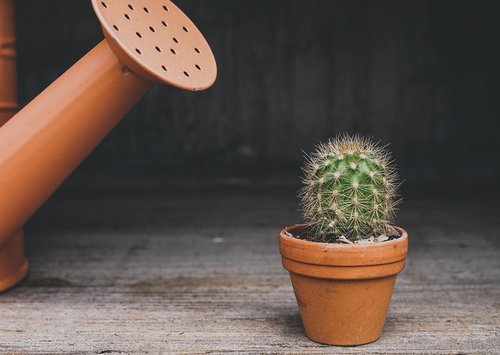
Terracotta is the gold standard: it breathes, suits almost every plant, and can be picked up second-hand for very little. A well-cared-for terracotta pot will outlast you. Coir, wood pulp and wool pots are genuinely useful for seedlings and cuttings, because the whole pot can be planted into the next size up. Check the packaging though – some so-called biodegradable pots only break down in industrial composting, so if in doubt, tear them up before adding them to your home compost bin.
When it comes to compost, choose a peat-free blend. Peat extraction damages bog habitats, and peat-free mixes have improved enormously in recent years.
Small Swaps in the Everyday Routine
- Carry a cloth bag and a cardboard box to the garden centre instead of taking new carrier bags home.
- Collect rainwater in a butt or a bucket on the balcony – it is better for plants than hard tap water and saves plastic-bottled alternatives.
- Share cuttings, divisions and spare pots with neighbours rather than buying replacements.
- Mix your own potting blend from a large bag of peat-free compost, some horticultural grit and a handful of vermiculite, decanted into a lidded tub.
Making It Stick Through the British Seasons
Our grey winters are actually helpful here: growth slows, watering needs drop, and you have time to wash pots, sharpen your labelling pencil and mix a fresh batch of spray. Come spring, when the garden centres fill up, you will already have everything you need at home. Start with one swap this week – the labels are the easiest – and let the rest follow naturally. Your plants will not notice, but your bin will.
tag: Sustainable Living

Tom Beresford Author
Learn which hardy indoor plants tolerate low light and how to position them for steady growth in darker British homes.
YOU MAY ALSO LIKE
How to Choose the Right Houseplant for a North-Facing Room
Sep 26
10Discover simple checks for moisture levels and avoid the common mistake of overwatering that damages roots and leaves.
read more
A Beginner's Guide to Watering Indoor Plants Correctly
Sep 20
10Create a calm nook using layered greenery, warm lighting and a comfortable chair to make the most of a quiet corner.
read morePlant Care
-

ERRIC CATONA
Use slim shelving, wall-mounted pots and trailing plants to bring life to awkward spaces without blocking the walkway.
May 19, 2016 at 5.12 pm
Reply
ERRIC CATONA
Plan a compact outdoor retreat with hardy pots, vertical planters and weatherproof furniture suited to British conditions all year round.
May 19, 2016 at 5.12 pm
Reply -
ERRIC CATONA
Compare recycled plastic, terracotta and peat-free compost options that reduce waste while keeping your plants healthy at home.
May 19, 2016 at 5.12 pm
Reply
Home Styling
Your email address will not be published.