
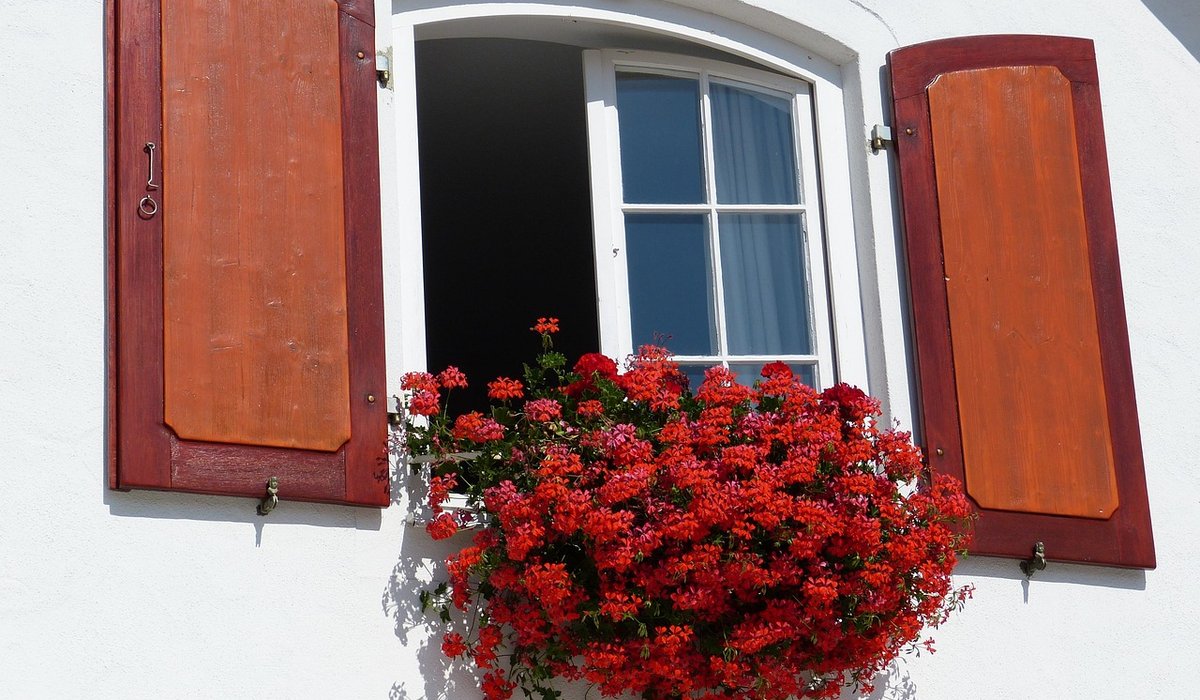
Building a Tiny Indoor Herb Garden on a Windowsill
Why a windowsill is prime growing space
Most British windowsills are between 10 and 20 centimetres deep, which is plenty for a row of compact pots. A south-facing ledge gives the strong light basil craves, while east or west facing spots suit parsley and mint. North-facing sills are trickier, but you can make them work with a few adjustments. The key is to match the herb to the light you actually have, rather than the light you wish you had.
Indoor conditions also have their quirks. Central heating dries the air, which can stress leaves and encourage pests. But a windowsill is often a few degrees cooler than the rest of the room, and that slight drop helps herbs thrive. Just keep pots away from radiators and draughty gaps.
Pick the right herbs for tight spaces
Basil, mint and parsley are the classic trio for good reason. They are forgiving, useful in the kitchen, and available in compact varieties.
- Basil: Look for 'Sweet Genovese' for classic flavour, or 'Spicy Globe' and Greek basil for naturally bushy, dwarf plants. One plant per 10cm pot is ideal.
- Mint: Choose Moroccan mint or 'Mojito' mint. Mint spreads aggressively, so always plant it in its own pot, never share a container with other herbs.
- Parsley: Flat-leaf 'Giant of Italy' has the best flavour, while curly 'Moss Curled' looks neat. Parsley has a long taproot, so give it a deeper pot, around 15cm.
Buy small plants from a garden centre or supermarket, or sow seeds. Plants give you a head start, especially with parsley, which can be slow and erratic to germinate.
Choose pots, compost and drainage that fit the ledge
Narrow ledges call for sturdy, low-profile pots. Terracotta or glazed ceramic hold moisture better than thin plastic, and their weight stops them toppling when you open the window. A 10cm pot is fine for basil, 12-15cm for mint, and 15cm deep for parsley. Always use a saucer to protect your sill from water marks, but empty it after watering so roots do not sit in a puddle.
Use a peat-free multipurpose compost, ideally one with added perlite or grit for drainage. Fill pots to within 2cm of the rim, firm gently, and water before planting. If your sill is very narrow, a rectangular trough planter can hold three small herbs in a row, but keep mint separate in its own pot beside it.
Planting and positioning for happy herbs
Plant on a mild day and water in well. Space pots so leaves do not touch; good airflow reduces disease. Rotate each pot a quarter turn every few days, otherwise stems lean towards the glass and become leggy.
- Basil needs at least six hours of direct sun. A south-facing sill is perfect. If you only have north light, basil will sulk. Consider a small desk lamp with a daylight bulb, placed 15cm above the leaves for a few hours a day.
- Mint prefers bright but indirect light. East or west is ideal. It will tolerate a north sill better than basil.
- Parsley likes similar conditions to mint, though it can handle a little more sun. Keep it out of the fiercest midday heat in midsummer.
If your windowsill is north-facing, choose parsley and mint over basil, and accept slower growth. Reflective card behind the pots can bounce light back onto the leaves.
Watering, feeding and daily care
Check compost every morning by pushing a finger 2cm into the surface. Water when it feels dry, using a small jug or a spray bottle for gentle delivery. Little and often beats a weekly soak. Basil hates wet feet, so never let it stand in water. Mint is thirstier and will wilt dramatically if left dry, but it usually recovers.
Feed every two weeks from March to September with a liquid seaweed or tomato feed at half strength. In winter, stop feeding and water far less. Misting basil and parsley in the morning raises humidity, which central heating steals away. Group pots together to create a microclimate.
Watch for pests. Aphids and whitefly can be blasted off with water or treated with a diluted washing-up liquid spray. Fungus gnats mean the compost is too wet: let the top layer dry out. Yellowing leaves usually signal overwatering or a lack of light.
Harvesting and keeping the supply going
Regular picking keeps plants bushy and productive. Pinch basil above a pair of leaves, never taking more than a third of the plant at once. For mint, cut stems just above a leaf node to encourage branching. With parsley, snip outer stems at the base, leaving the central crown to regrow.
To keep a continuous supply, sow a new pot of basil every three to four weeks from spring to midsummer. Parsley is slower, so start seeds in late summer for winter leaves. Mint can be divided in spring. With a little attention, your windowsill will give you fresh leaves for pasta, salads, teas and marinades right through the year.
tag: Small Spaces

Tom Beresford Author
Balance vertical stacks, small sculptures and cascading vines to create a display that feels curated and lived-in at home.
YOU MAY ALSO LIKE
How to Style Shelves with Books and Trailing Plants
Jul 4
10Learn how to maintain consistent moisture and humidity when radiators dry the air around delicate fern fronds indoors.
read more
Watering Wisdom for Ferns in Warm Central Heating
Jul 1
10Attract bees and butterflies using nectar-rich flowers, shallow water dishes and sheltering evergreens suited to UK weather conditions.
read morePlant Care
-

ERRIC CATONA
Switch to reusable labels, homemade cleaners and biodegradable pots to make indoor gardening kinder to the environment over time.
May 19, 2016 at 5.12 pm
Reply
ERRIC CATONA
Learn which hardy indoor plants tolerate low light and how to position them for steady growth in darker British homes.
May 19, 2016 at 5.12 pm
Reply -
ERRIC CATONA
Discover simple checks for moisture levels and avoid the common mistake of overwatering that damages roots and leaves.
May 19, 2016 at 5.12 pm
Reply
Home Styling
Your email address will not be published.