
Low-Maintenance Plants for Busy British Households
Why British Homes Suit Tough, Tolerant Plants
Most of us fall for indoor plants in the same way: a sunny Saturday, a garden centre display, a hopeful little pot on the windowsill. Six weeks later the leaves are yellowing and the guilt has set in. The truth is that the average British home is a genuinely tricky environment for many houseplants. Our winters are dark, our windows often face the wrong way, our radiators blast dry heat for months and then go silent, and our holiday habits mean a plant might get a good soak on Sunday and nothing at all for a fortnight.
None of that means you should give up. It simply means choosing species that evolved to cope with neglect. The plants below tolerate irregular watering, lower light levels and the temperature swings typical of a Victorian terrace or a modern flat alike. They are forgiving, and forgiving is what busy households actually need.
The Unkillables: Where to Start
If you have killed plants before, start here. These species are genuinely difficult to lose.
- Snake plant (Sansevieria): Tolerates deep shade, survives a month without water and actually prefers being left alone. Water roughly every three to four weeks in summer, less in winter. The key rule is never to let it sit in a soggy saucer.
- ZZ plant (Zamioculcas zamiifolia): Stores water in its waxy stems, so it shrugs off a missed fortnight. Happy in a north-facing room. Water when the top few centimetres of compost are dry.
- Spider plant (Chlorophytum): Bounces back from almost anything, throws out babies you can pot on for friends, and copes with the dry air from central heating.
- Cast iron plant (Aspidistra): A Victorian parlour favourite for good reason. Named for its resilience, it handles low light and erratic watering with quiet dignity.
Plants That Cope With British Light Levels
Our light is the real limiting factor. From October to March, even a south-facing bay window delivers a fraction of what a plant would receive in its native habitat. This is where low-light champions earn their place.
- Pothos and heartleaf philodendron: Both trail beautifully from a shelf or bookcase and will grow steadily in moderate light, only slowing rather than dying in dimmer spots.
- Peace lily (Spathiphyllum): Dramatic in the best way — it droops visibly when thirsty and perks up within hours of a drink, which makes it a useful visual reminder rather than a silent sufferer.
- Chinese evergreen (Aglaonema): Handles shade and dry air, and modern varieties come in striking pinks and silvers that lift a grey corner.
- Rubber plant (Ficus elastica): Wants bright, indirect light, so place it near but not against a window. It will forgive the occasional missed watering but not a cold draught.
One practical trick: rotate pots a quarter turn each time you water, and in winter move everything a little closer to the glass. A metre of extra distance from a window can halve the light a plant receives.
Styling for Real Rooms, Not Showrooms
Styling is where indoor gardening becomes genuinely enjoyable. You do not need a conservatory or a designer budget.
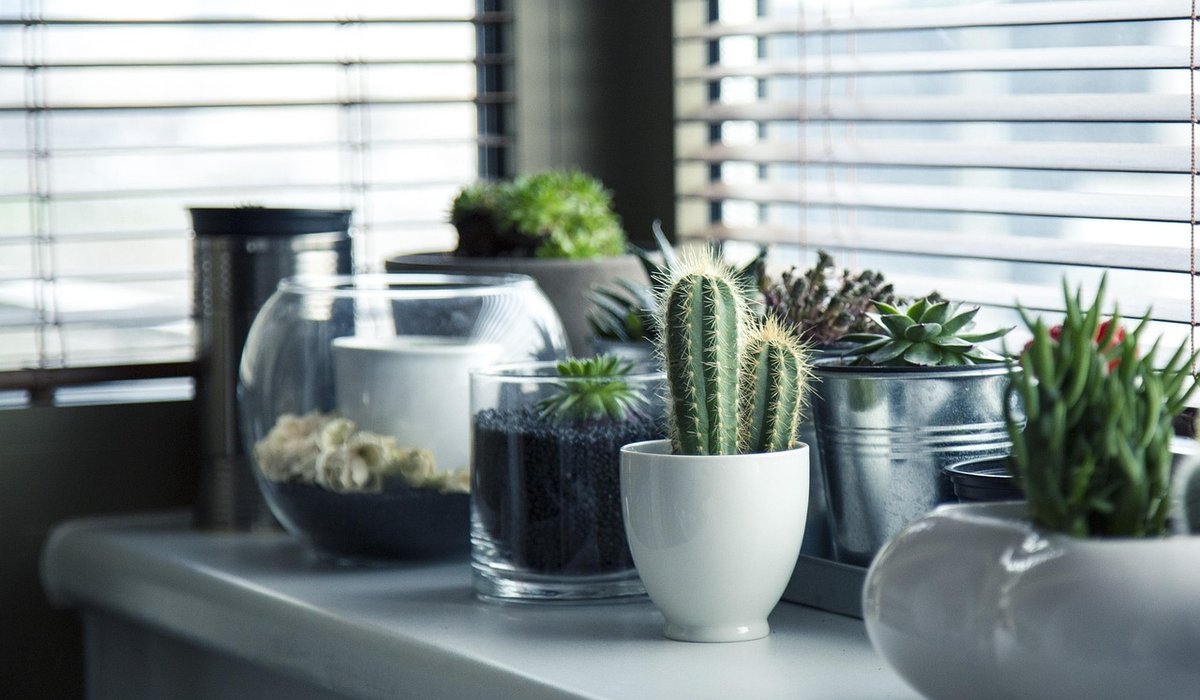
- Work in threes. Group plants of different heights and leaf shapes — a tall snake plant, a mid-height pothos on a small stool, a low bowl of spider plants. Odd numbers read as intentional.
- Use height to hide the boring bits. A trailing plant on a high shelf draws the eye upward and softens a plain wall. A tall specimen fills an awkward alcove beside a chimney breast.
- Choose pots that suit the room. Unglazed terracotta warms up a neutral living room; a simple matte ceramic in off-white or stone looks calmer in a modern flat. Keep the plastic nursery pot inside so you can lift it out to water.
- Think about humidity clusters. Bathrooms and kitchens are naturally more humid. A ZZ plant or peace lily will thrive there where it might struggle in a parched bedroom.
Watering Wisdom for Irregular Schedules
Overwatering kills far more houseplants than neglect ever will. If your week has no routine, these habits will save you.
- Check before you pour. Push a finger two to three centimetres into the compost. If it feels damp, wait. If it is dry, water thoroughly until it runs out of the drainage holes, then empty the saucer.
- Water less in winter. Most of these plants are in near-dormancy from November to February and need a fraction of their summer ration. Once a month is often plenty.
- Use room-temperature water. Cold water straight from the tap shocks tropical roots. Let a jug stand overnight if you can.
- Consider a self-watering pot. For anyone away regularly, a reservoir pot or a simple wicking system takes the guesswork out of a fortnight's absence.
Quick Troubleshooting and Seasonal Care
Most problems announce themselves clearly once you know what to look for. Yellow lower leaves usually mean too much water; brown crispy tips point to dry air or inconsistent watering; pale, stretched growth means the plant needs more light. Leggy stems can simply be cut back in spring — nearly all the plants here respond well to a tidy-up.
Feeding matters less than most people think. A diluted liquid feed once a month through spring and summer is ample; skip it entirely in winter. Wipe large leaves with a damp cloth every few weeks so dust does not block the light, and check the undersides for pests while you are there. Mealybugs and spider mites show up more often in centrally heated rooms, so a quick weekly glance keeps you ahead of trouble. Repot only when roots appear through the drainage holes, usually every two to three years in spring.
Start with two or three of the toughest species, place them where they genuinely suit the light, and let them settle. Confidence grows quickly once a plant survives its first British winter, and from there the collection tends to look after itself.
tag: Houseplants

Tom Beresford Author
Position reflective surfaces opposite windows and pair them with glossy leaves to maximise natural light in your home.
YOU MAY ALSO LIKE
Using Mirrors and Plants to Brighten Dark Rooms
Aug 13
10Learn when to move plants into larger containers and how to loosen roots without causing unnecessary shock or damage.
read more
A Simple Guide to Repotting Root-Bound Houseplants
Aug 8
10Choose adaptable species and portable plant stands that suit rented homes without requiring permanent fixtures or major changes.
read morePlant Care
-

ERRIC CATONA
Cluster pots of different heights and leaf shapes to create a focal point that feels intentional rather than cluttered.
May 19, 2016 at 5.12 pm
Reply
ERRIC CATONA
Turn vegetable peelings into nutrient-rich feed using a small wormery or bokashi bin suitable for compact kitchens and balconies.
May 19, 2016 at 5.12 pm
Reply -
ERRIC CATONA
Improve airflow, water carefully and remove decaying leaves to stop surface mould from spreading around your plants indoors.
May 19, 2016 at 5.12 pm
Reply
Home Styling
Your email address will not be published.